
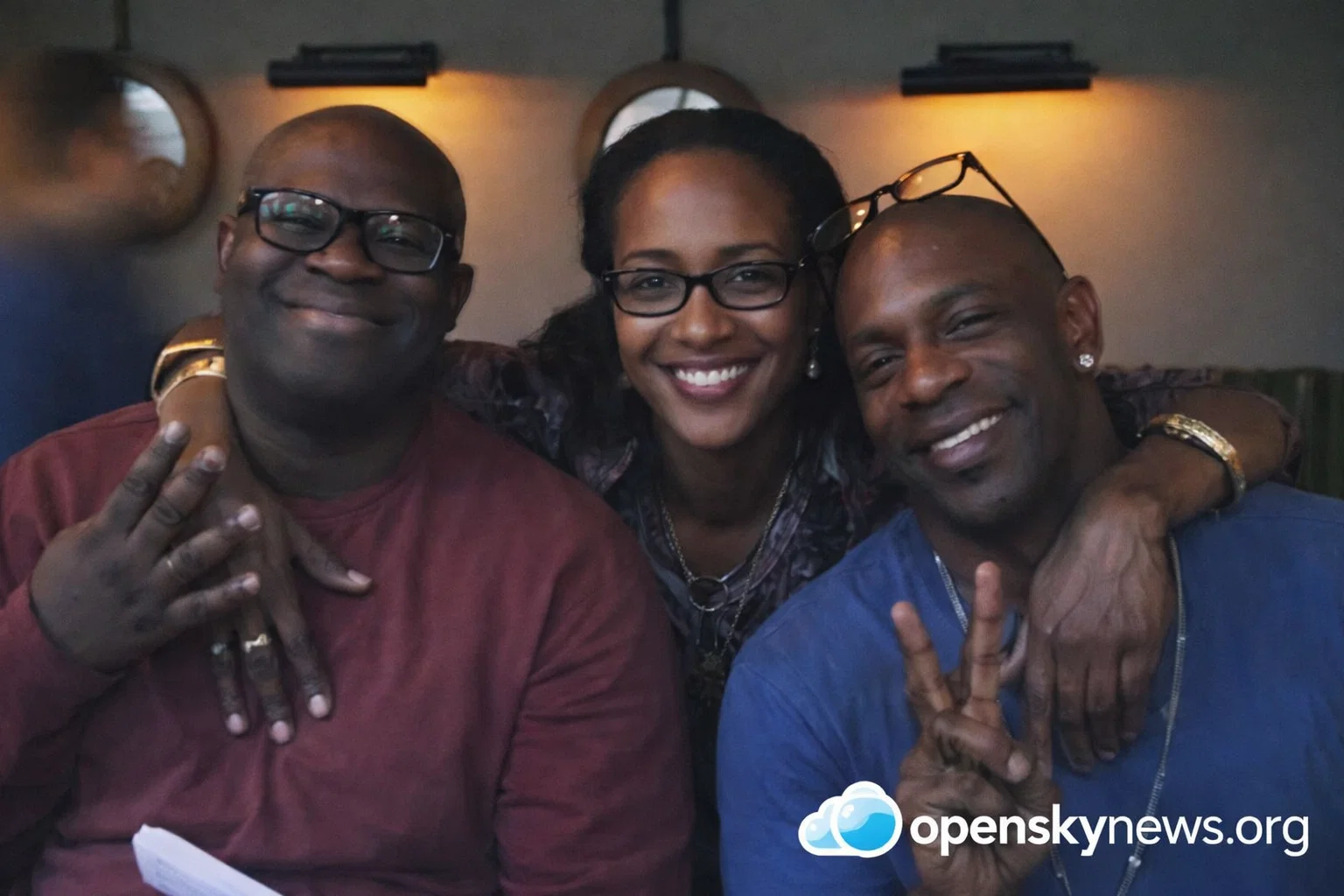
Introduction to the Life of Chinua Shakur
Chinua Shakur is a name that often sparks curiosity due to his connection to one of the most influential activist families in American history. While the family is widely recognized for its association with Tupac Shakur, Chinua’s life provides a unique window into the cultural, social, and political environment that shaped the Shakur dynasty. Understanding the life of Chinua Shakur requires more than just looking at public attention; it demands exploring the intricate relationships, ideologies, and historical legacies that defined his upbringing. The Shakur family has always combined activism with cultural expression, influencing hip-hop legacy, rap culture influence, and the broader spectrum of African-American heritage. Chinua’s life exemplifies how family biography narrative and private lifestyle of celebrity relatives intersect with public fascination and social impact. Many people are interested in the life of Chinua Shakur because it tells a story of continuity between activist lineage and modern cultural movements, reflecting the ongoing legacy of African-American political activism.
Comprehensive quick bio table for Chinua Shakur
| Attribute | Details |
|---|---|
| Full Name | Chinua Shakur |
| Family | Shakur family (African-American activist family) |
| Siblings / Relatives | Tupac Shakur (stepbrother), Mopreme Shakur, Makini Shakur, Nzingha Shakur, Ayize Jama-Everett |
| Parents | Afeni Shakur (mother), Mutulu Shakur (father) |
| Family Background | African-American activist family involved in Black Panther movement and Black Liberation Army |
| Upbringing | Raised in politically active environment; exposed to social justice, civil rights advocacy, and cultural activism |
| Cultural Influence | Hip-hop legacy, rap culture influence, and artistic expression within activist lineage |
| Public Life | Maintains private lifestyle; less public attention compared to Tupac Shakur |
| Social Impact | Contributed to family legacy influence, cultural symbolism of activist families, and social justice influence |
| Notable Traits | Stepbrother relationship with Tupac; involvement in family’s activist ideology; preservation of family heritage and African-American heritage |
| Legacy | Represents continuity of activist lineage, hip-hop social activism history, and family contributions to social movements |
| Media Attention | Often highlighted in biography of Tupac’s brother; public curiosity about celebrity relatives |
| Significance | Cultural identity and music legacy; heritage of revolutionary activism; influence on younger generations |
| Historical Context | Part of Shakur genealogy reflecting American activist history, civil rights influence, and cultural heritage |
| Current Relevance | Legacy continues shaping discussions on social justice, cultural storytelling, and hip-hop influence |
| Personal Philosophy | Balances public curiosity with private lifestyle; emphasizes family heritage and cultural preservation |
| Notable Connections | Black Liberation Army, Black Panther movement, American rap heritage roots |
Early Life and Family Background
Chinua Shakur was born into a family deeply rooted in the principles of social justice and political activism. From a young age, he was exposed to the values of the Black Panther movement and the Black Liberation Army, which his parents and relatives actively supported. This political upbringing influence shaped his worldview and the way he related to his siblings and extended family. The Shakur siblings, including Tupac Shakur, Mopreme Shakur, Makini Shakur, and Nzingha Shakur, grew up with a strong sense of responsibility toward community and culture. The African-American activist family environment influenced not only the children’s personal development but also their connection to broader social movements. Family background shaping identity played a key role in Chinua’s life, and understanding his upbringing offers insights into the broader activist lineage and cultural legacy of the Shakur dynasty. The family’s emphasis on education, political awareness, and cultural pride provided a framework that would guide the younger generation in balancing public attention with private values.
The Influence of Shakur Family History
The Shakur family history is central to understanding Chinua Shakur’s role within his family and society. The Shakur dynasty emerged as a symbol of African-American heritage and activism, intertwining civil rights advocacy with cultural expression. Mutulu Shakur and Afeni Shakur were pivotal figures who instilled values of social justice influence, ensuring that their children and extended family members remained committed to activist causes. The family legacy influence was evident in how the Shakur siblings engaged with hip-hop culture, political activism, and community initiatives. Cultural legacy, political activism heritage, and social justice influence intersected within the family, creating a unique environment where personal identity was inseparable from family ideology. Chinua’s life reflects the broader legacy of activist families, showing how private figures in famous families contribute to public awareness and cultural symbolism of activist families. The Shakur genealogy offers insights into the intergenerational transmission of values and activism, demonstrating the long-term impact of heritage of revolutionary activism and family contributions to social movements.
Relationship with Tupac Shakur
The relationship between Chinua Shakur and Tupac Shakur highlights the dynamics of celebrity family background and stepbrother relationships. While Tupac Shakur gained international fame for his music and activism, Chinua’s life remained relatively private, emphasizing the balance between public vs private life. Despite the differences in public attention, their shared upbringing and exposure to political activism heritage created strong familial bonds. The biography of Tupac’s brother often explores how family influence shaped his artistry and worldview. Hip-hop legacy and rap culture influence within the family highlight the connection between activism and artistic expression. Understanding the Shakur siblings and their interactions provides a fuller picture of family impact on artistic expression and cultural identity. Chinua’s perspective offers unique insights into the lesser-known aspects of the family, reflecting the complexity of celebrity relatives context and private lifestyle of celebrity relatives.
Activist Ideology and Mutulu Shakur Influence
Mutulu Shakur played a significant role in shaping the political consciousness of the Shakur family. His involvement in the Black Liberation Army and the Black Panther movement influenced the political upbringing influence experienced by Chinua Shakur and his siblings. The activist upbringing environment created a framework for understanding African-American political activism legacy and social justice themes in family history. Mutulu’s ideology emphasized the importance of education, community empowerment, and resistance against systemic oppression. These principles were integral to the Shakur dynasty, impacting hip-hop social activism history and shaping the cultural identity and music legacy of the family. Chinua Shakur’s life reflects this influence, showing how private figures in famous families contribute to the continuity of activist lineage and heritage of revolutionary activism. This historical context provides a deeper understanding of family contributions to social movements and the long-term cultural significance of the Shakur family.
The Role of Afeni Shakur in Family Legacy
Afeni Shakur’s leadership and activism were central to the Shakur family legacy. As a mother and activist, she guided the family through challenges and instilled a commitment to social justice influence. Her role ensured that the Shakur siblings, including Chinua, understood the importance of political activism heritage and cultural symbolism of activist families. Afeni’s influence shaped the family background shaping identity and provided a model for balancing public vs private life. The legacy of activist families is preserved through her leadership, highlighting the cultural identity and music legacy that continues to inspire generations. Afeni’s contribution reflects the importance of celebrity family relationships overview, emphasizing how individual actions within a family can influence broader societal narratives. Understanding her impact provides biographical insights into Shakur lineage and the ongoing relevance of African-American activist family traditions.
Cultural Significance of the Shakur Dynasty
The Shakur dynasty represents a convergence of activism, art, and cultural heritage. Chinua Shakur’s life is a testament to the cultural symbolism of activist families, showing how personal experiences intertwine with broader social movements. The hip-hop cultural impact family ties illustrate the connection between music and activism, emphasizing the role of family influence on rap legends. Cultural identity and music legacy are central to understanding how the Shakur family contributed to American civil rights legacy and African-American heritage. The legacy of activist families extends beyond political ideology, encompassing the ways in which cultural narratives, storytelling, and artistic expression perpetuate social consciousness. The Shakur family serves as a model for understanding how heritage of revolutionary activism and family contributions to social movements intersect to shape societal perspectives and cultural memory.
Public Vs Private Life Dynamics
Chinua Shakur’s life exemplifies the tension between public vs private life. While many people are interested in the life of Chinua Shakur, his approach reflects a preference for privacy and discretion. Private lifestyle of celebrity relatives often contrasts with the public curiosity about celebrity relatives, creating a unique dynamic within the Shakur family. Managing visibility while preserving personal identity is a recurring theme in families with prominent public figures. This balance highlights the complexity of celebrity family background and stepbrother relationships. Understanding this aspect of Chinua Shakur’s life provides insights into family biography narrative, showing how private figures in famous families navigate societal expectations while maintaining cultural legacy and social justice influence.
Understanding Shakur Siblings and Extended Relations
The Shakur siblings, including Makini Shakur, Mopreme Shakur, Nzingha Shakur, and Ayize Jama-Everett, reflect the diversity and influence of the family. Each member contributed to hip-hop legacy continuation, political activism heritage, and cultural identity and music legacy. Family impact on artistic expression can be seen in the creative pursuits and activism of each sibling. Lesser-known Shakur family members played essential roles in maintaining the activist lineage and social justice influence of the Shakur dynasty. Celebrity sibling dynamics shaped the internal culture of the family, illustrating how political upbringing influence and heritage of revolutionary activism intersect with public curiosity about celebrity relatives. The family background shaping identity remained a central theme across generations, emphasizing the importance of cultural symbolism of activist families and African-American activist family traditions.
Hip-Hop Legacy and Cultural Identity
Hip-hop legacy within the Shakur family represents more than musical talent; it reflects a commitment to social commentary and storytelling. Rap culture influence connects activism with artistic expression, highlighting how family contributions to social movements shaped American music culture lineage. Chinua Shakur’s life demonstrates the interplay between private lifestyle of celebrity relatives and the public perception of hip-hop social activism history. The life of Chinua Shakur exemplifies how cultural identity and music legacy can perpetuate awareness of social justice themes in family history. Through their creative endeavors, the Shakur family maintained the cultural symbolism of activist families while ensuring that the legacy of activist families continues to inspire both artists and activists alike.
Family Legacy Influence on Social Justice
The influence of the Shakur family extends beyond music into social and political spheres. Political activism heritage and social justice influence created a foundation for African-American political activism legacy. Family contributions to social movements reflected the family background shaping identity, emphasizing the importance of activist upbringing environment. Through storytelling, mentorship, and community engagement, the Shakur dynasty demonstrated how heritage of revolutionary activism and cultural legacy contribute to the ongoing social discourse. This interplay between public attention and private life provides a unique perspective on the life of Chinua Shakur, illustrating how family biography narrative can inform modern discussions on cultural identity, activism, and hip-hop social activism history.
Media Narratives and Public Curiosity
Media narratives surrounding the Shakur family often emphasize Tupac Shakur’s fame, but they also highlight lesser-known Shakur family members like Chinua. Public curiosity about celebrity relatives and the biography of Tupac’s brother drives attention toward private figures in famous families. Untold stories of hip-hop families reveal how political upbringing influence, family impact on artistic expression, and hip-hop cultural impact family ties converge in shaping societal perceptions. The life of Chinua Shakur demonstrates how private lifestyle of celebrity relatives can coexist with media scrutiny while preserving cultural symbolism of activist families and African-American heritage. This dynamic illustrates the broader significance of the Shakur family in contemporary discussions on social justice influence, rap culture influence, and family contributions to social movements.
The Role of Genealogy in Cultural Memory
Understanding the Shakur genealogy is key to appreciating Chinua Shakur’s life and legacy. Biographical insights into Shakur lineage reveal intergenerational continuity of political activism heritage and family legacy influence. Genealogy of famous personalities provides context for African-American activist family traditions and hip-hop legacy continuation. Public curiosity about celebrity relatives often intersects with academic and cultural interest in family history, highlighting the Shakur dynasty’s role in heritage of revolutionary activism. This perspective underscores the importance of family contributions to social movements and the cultural symbolism of activist families in shaping contemporary discussions on civil rights, cultural identity, and music heritage.
Modern Relevance of the Shakur Legacy
The Shakur family’s legacy continues to influence modern cultural and social discourse. Hip-hop social activism history, African-American political activism legacy, and social justice influence demonstrate the ongoing significance of activist families. The life of Chinua Shakur reflects the continuity of activist lineage and cultural identity, bridging past struggles with present-day discussions on equality and representation. Family impact on artistic expression and hip-hop cultural impact family ties continue shaping both public perception and community engagement. This relevance highlights how private figures in famous families contribute to societal awareness while preserving cultural symbolism of activist families and ensuring that the legacy of activist families continues to inspire future generations.
Chinua Shakur and Cultural Legacy Preservation
Preserving cultural legacy is central to understanding the life of Chinua Shakur. The Shakur family represents a lineage of African-American activist family traditions, hip-hop legacy continuation, and heritage of revolutionary activism. Public vs private life dynamics, family contributions to social movements, and cultural identity and music legacy all converge to maintain the family’s influence in modern discourse. Chinua Shakur’s life demonstrates how private lifestyle of celebrity relatives can coexist with public curiosity about celebrity relatives, emphasizing the enduring significance of the Shakur dynasty in shaping cultural memory, social justice influence, and hip-hop social activism history.
Conclusion
The life of Chinua Shakur provides a rich and complex narrative that intertwines family legacy, activism, and cultural identity. The Shakur family’s history demonstrates the interplay of public curiosity about celebrity relatives with private lifestyle of celebrity relatives. Through political activism heritage, social justice influence, and hip-hop legacy continuation, the family has left an indelible mark on African-American activist family traditions and American music culture lineage. Understanding Chinua Shakur’s life offers insights into family contributions to social movements, the importance of activist lineage, and the ongoing relevance of cultural symbolism of activist families. His story highlights how private figures in famous families preserve legacy while influencing contemporary cultural and social discourse.
FAQs
- Who is Chinua Shakur?
Chinua Shakur is a member of the Shakur family, an African-American activist family with deep ties to hip-hop culture and social justice influence. - How is Chinua Shakur related to Tupac Shakur?
Chinua is a member of the extended Shakur family and stepbrother to Tupac Shakur, reflecting the family’s broader activist lineage. - Why is the Shakur family significant in American culture?
The Shakur family’s activism, hip-hop legacy, and contributions to social justice influence highlight their enduring cultural symbolism and heritage of revolutionary activism. - What role did activism play in Chinua Shakur’s upbringing?
Political upbringing influence, exposure to the Black Panther movement, and involvement in family activism shaped Chinua’s worldview and cultural identity. - Why do people search for information about Chinua Shakur?
Public curiosity about celebrity relatives, lesser-known Shakur family members, and the biography of Tupac’s brother drives interest in understanding the family’s legacy.