
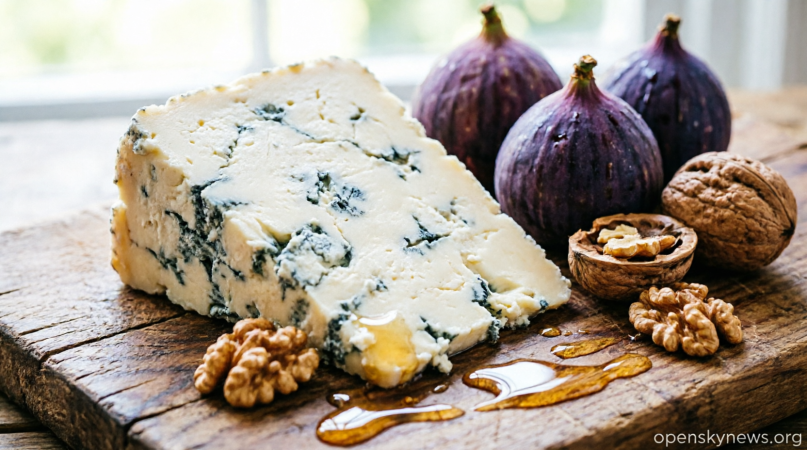
Masgonzola is a creamy cheese blend linked with Gorgonzola and mascarpone. It combines blue cheese flavor with a smooth, rich texture. This guide explains its ingredients, taste, nutrition, uses, storage, and differences from Gorgonzola and mascarpone.
What Is Masgonzola?
Masgonzola is a creamy cheese preparation linked with Gorgonzola and mascarpone. Gorgonzola gives it a recognizable blue cheese character. Mascarpone adds a smooth consistency and rich dairy flavor. Together, they create a softer cheese blend.
The term can refer to a cheese preparation rather than a protected cheese variety. Its exact ingredients can vary between recipes and products. This makes the cheese label useful when checking what a particular product contains. The cheese ratio can also change its flavor and texture.
Is Masgonzola a Real Cheese Variety?
Masgonzola should not automatically be treated as a protected Italian cheese. Gorgonzola has official PDO status and follows specific production rules. Masgonzola is more often associated with a combination of Gorgonzola and mascarpone. These are related ideas but not identical products.
Gorgonzola is an established Italian blue cheese made from cow’s milk. Its protected status covers its production and geographical origin. A Gorgonzola and mascarpone mixture does not automatically receive the same status. The product label should therefore be checked carefully.
What Are Masgonzola Ingredients?
The main Masgonzola ingredients are commonly connected with Gorgonzola and mascarpone. Gorgonzola provides blue cheese notes, saltiness, and blue-green veining. Mascarpone adds creaminess, moisture, and a mild flavor. The result can have a rich mouthfeel.
The ingredient proportions can change the final product. More Gorgonzola can create a stronger blue cheese flavor. More mascarpone can produce a mild flavor and softer texture. Some preparations may also contain salt or other dairy ingredients.
How Is Masgonzola Made?
A simple Masgonzola recipe can involve combining Gorgonzola with mascarpone. The cheeses may be blended until they reach a smooth consistency. Some preparations can also use visible layers instead of a fully blended mixture. The method affects the final appearance and texture.
The cheese ratio plays a major role in the result. A higher amount of Gorgonzola creates stronger blue cheese notes. A larger amount of mascarpone makes the mixture softer and creamier. This allows different recipes to create slightly different versions.
What Does Masgonzola Taste Like?
Masgonzola taste usually combines creamy richness with blue cheese flavor. It can have salty, tangy, and earthy notes. The mascarpone can soften the sharper character of Gorgonzola. This can create a smoother experience than eating strong blue cheese alone.
The exact taste depends on the ingredients and proportions. Mild Gorgonzola can create a gentle flavor profile. Stronger Gorgonzola can give the cheese a sharper flavor and stronger aroma. This makes the cheese suitable for different cooking styles.
Masgonzola Texture and Appearance
Masgonzola texture is usually soft, creamy, and easy to spread. Mascarpone provides a smooth consistency and rich mouthfeel. Gorgonzola can add small blue-veined pieces or visible blue-green areas. The final appearance depends on how the cheese is prepared.
A blended cheese can have a mostly uniform appearance. A layered cheese can show clearer differences between the creamy and blue cheese components. Refrigeration also makes the cheese firmer. Allowing it to soften safely before eating can make the creamy texture more noticeable.
Masgonzola vs. Gorgonzola
Masgonzola and Gorgonzola are not automatically the same cheese. Gorgonzola is a protected Italian blue cheese with PDO status. Masgonzola generally describes a preparation connected with Gorgonzola and mascarpone. The addition of mascarpone changes the texture and flavor.
Gorgonzola can provide a stronger blue cheese character on its own. Masgonzola can feel softer because of its creamy component. This makes it useful for spreads and smooth sauces. The choice depends on the recipe and the desired flavor.
Masgonzola vs. Mascarpone
Mascarpone has a mild flavor and very creamy consistency. It is often used when a recipe needs richness without a strong cheese aroma. Masgonzola has a more noticeable savory character because of Gorgonzola. This creates a clear difference between the two.
The two cheeses also have different cooking roles. Mascarpone can work well in desserts and mild sauces. Masgonzola is better suited to dishes that need blue cheese notes. Its creamy texture still allows it to blend smoothly into sauces.
Masgonzola Nutrition and Calories
Masgonzola calories depend on the recipe and cheese ratio. A mixture with more mascarpone can have a rich calorie content. Gorgonzola also provides fat, protein, calcium, and other nutrients. Packaged products can have different nutritional values.
The nutrition label is the best source for exact information. Check calories, saturated fat, protein, calcium, and salt content. Serving size also affects how much you consume. A smaller portion can add flavor without making the entire meal overly rich.
Is Masgonzola Healthy?
Masgonzola health depends on how much you eat and what you eat with it. Cheese can provide protein and calcium. At the same time, rich cheese products can contain substantial fat and sodium. Portion size is therefore useful when adding it to meals.
A small amount can add strong flavor to vegetables, pasta, or bread. Fresh fruit and vegetables can provide balance in a meal. People following a specific diet should check the product’s nutrition label. This gives a clearer idea of its nutritional profile.
Does Masgonzola Contain Lactose?
Masgonzola lactose content depends on its ingredients and preparation. Since it is associated with dairy products, people with lactose intolerance should check the product information. Different cheese preparations can contain different amounts of lactose. A product should not be assumed to be lactose-free.
Lactose intolerance is different from a milk allergy. Lactose intolerance involves difficulty digesting lactose. A milk allergy involves a reaction to milk proteins. People with either concern should check allergen information and follow appropriate dietary guidance.
Best Ways to Use Masgonzola
Masgonzola can work well in both simple and cooked dishes. Its creamy texture makes it useful in sauces and spreads. Its blue cheese flavor adds more character than a mild cream cheese. It can also melt into warm dishes.
Pasta is one of the easiest choices. The cheese can be mixed with pasta and a little cooking water. Mushrooms, spinach, and walnuts can add more flavor. It can also work with ravioli and pappardelle.
Masgonzola in Risotto and Gnocchi
Masgonzola can add richness to risotto. It can be stirred into the dish near the end of cooking. The creamy texture helps create a smooth finish. Mushrooms and herbs can provide a good contrast.
Gnocchi can also work with a creamy blue cheese sauce. The soft potato texture pairs naturally with rich cheese. A small amount can provide plenty of flavor. Fresh herbs or vegetables can help balance the dish.
Masgonzola on Pizza and Flatbread
Masgonzola can be added to pizza or flatbread before baking. Heat softens the cheese and spreads its flavor across the base. Mushrooms and caramelized onions can complement its earthy notes. Pears can add a sweet contrast.
It can also be combined with leafy greens after baking. Arugula adds freshness to the rich cheese. Walnuts can provide crunch and another earthy element. These combinations can create a balanced flavor profile.
Masgonzola With Crostini and Crackers
The spreadable cheese texture makes Masgonzola suitable for crostini. It can be spread over toasted bread and paired with fruit. Honey can add sweetness to balance its salty flavor. Walnuts can add crunch.
Crackers provide another simple option. Their crisp texture contrasts with the soft cheese. Apples, pears, and figs can be served alongside it. This makes the combination suitable for appetizers and small snacks.
What Foods Go Well With Masgonzola?
Masgonzola works well with sweet and earthy foods. Pears and apples can balance its salty flavor. Figs and honey can add sweetness. Walnuts and hazelnuts provide a crunchy contrast.
Mushrooms can match its earthy flavor. Spinach and arugula can add freshness. Caramelized onions can bring sweetness to the dish. These pairings can also work well on a cheese board.
How to Buy Masgonzola
When buying Masgonzola, read the cheese label carefully. Check whether Gorgonzola and mascarpone are listed in the ingredients. The cheese ratio can affect the final taste. A product with more Gorgonzola may taste stronger.
The nutrition label can also provide useful information. Check the calorie content, saturated fat, protein, calcium, and salt content. Look at the storage instructions before buying. Freshness and proper refrigeration also matter.
How to Store Masgonzola
Masgonzola storage should follow the instructions on the product label. Refrigeration is normally needed for cheese and dairy preparations. Keep the cheese protected from air and strong food odors. A suitable sealed container can help preserve its quality.
Check the cheese before eating it. An unusual smell, unexpected appearance, or slimy surface can indicate spoilage. Homemade cheese mixtures may have a shorter storage life. Store them promptly and use clean utensils.
Why Is Masgonzola Often Misunderstood?
The name Masgonzola can cause confusion because it sounds like an established cheese variety. Gorgonzola, however, has a protected identity and regulated production. Masgonzola is better understood as a term connected with a creamy Gorgonzola and mascarpone preparation.
This distinction also explains why descriptions can vary. One recipe may focus on the creamy texture. Another may focus on the blue cheese flavor. The exact ingredients and preparation method determine the final result.
Final Thoughts
Masgonzola combines the rich character of Gorgonzola with the smooth qualities of mascarpone. It can offer blue cheese flavor without the same sharp experience as some stronger blue cheeses. Its creamy texture also makes it easy to use in many recipes.
It works well in pasta, risotto, gnocchi, pizza, crostini, crackers, and cheese boards. Sweet ingredients such as pears, figs, and honey can balance its salty taste. Mushrooms and nuts can add earthy flavors and contrasting textures.
The name should not be confused with protected Gorgonzola. Checking the ingredient label gives the clearest information about a specific product. This is also useful for anyone watching calories, saturated fat, salt, lactose, or other dietary factors.
Frequently Asked Questions
What is Masgonzola made of?
Masgonzola commonly refers to a mixture involving Gorgonzola and mascarpone. Gorgonzola provides the blue cheese flavor. Mascarpone adds creaminess and a mild taste. Exact ingredients can vary by preparation.
Is Masgonzola the same as Gorgonzola?
No. Gorgonzola is an established Italian blue cheese with PDO protection. Masgonzola generally refers to a creamy cheese preparation associated with Gorgonzola and mascarpone.
What does Masgonzola taste like?
It can have a creamy, buttery taste with salty, tangy, and earthy blue cheese notes. The flavor depends on the amount of Gorgonzola and mascarpone used.
How can Masgonzola be used?
It can be used in pasta, risotto, gnocchi, pizza, sauces, crostini, crackers, sandwiches, and appetizers. It also works well with fruit, nuts, mushrooms, and toasted bread.
How should Masgonzola be stored?
Keep Masgonzola refrigerated and follow the product’s storage instructions. Protect it from air and strong odors. Check its smell, appearance, and texture before eating.