
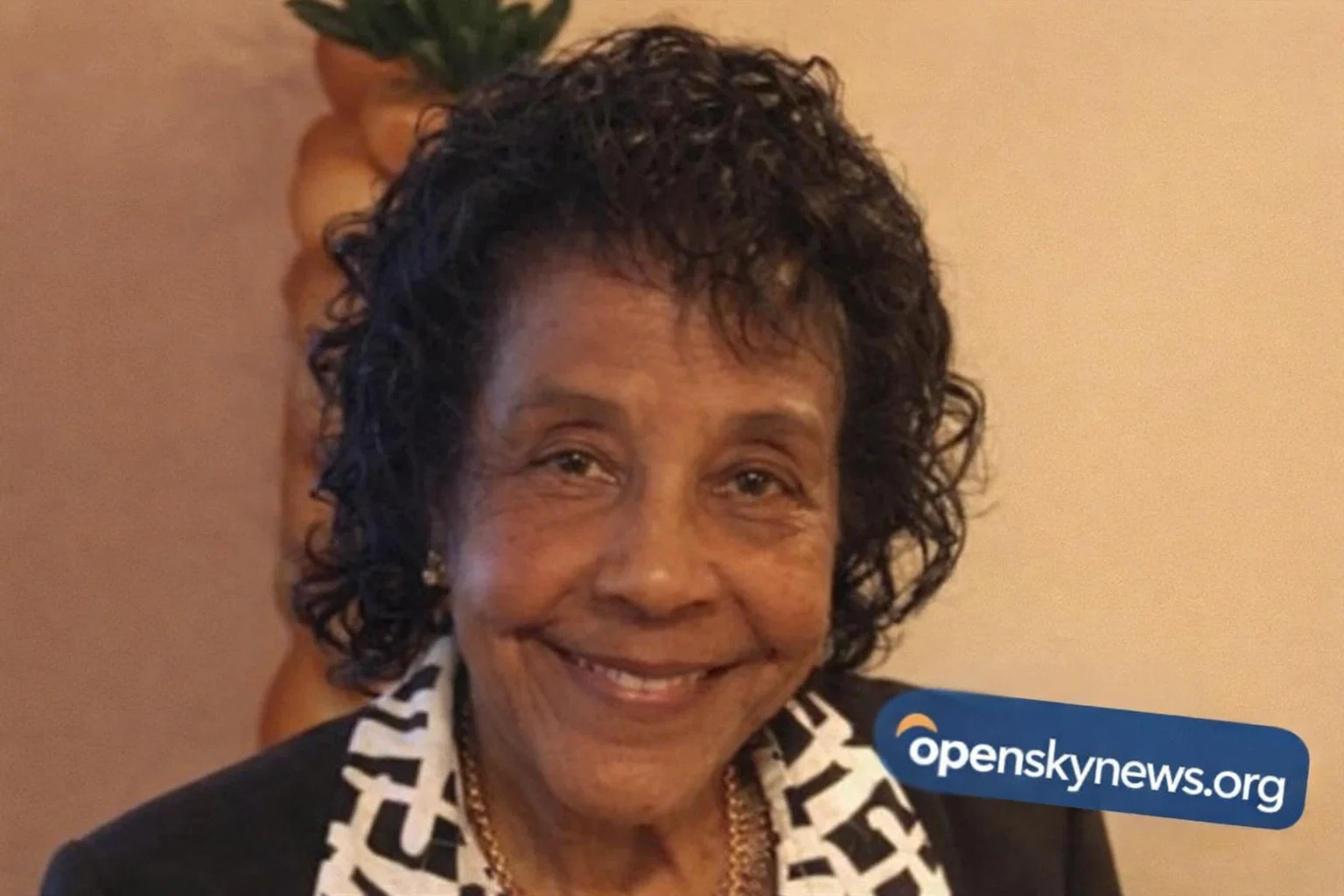
Introduction: Who is Velma Warren Brown
Velma Warren Brown, known as the first wife of James Brown, lived a life closely intertwined with fame, family, and legal disputes. Their marriage in 1953 marked a beginning that would later see a combination of love, challenges, and public attention. Velma’s life as a lifelong resident of South Carolina provided stability amid the whirlwind of celebrity life surrounding the Godfather of Soul. The couple’s relationship is a window into the historical and social dynamics of the time, highlighting the struggles of maintaining personal identity and family unity under public scrutiny. Velma’s story is as much about her personal resilience as it is about her connection to one of the most influential soul singers in history. Her life journey represents a delicate balance between domestic responsibilities, community involvement, and navigating legal complexities that became increasingly significant following the death of James Brown in 2006.
Here’s a concise bio table for Velma Warren:
| Attribute | Details |
|---|---|
| Full Name | Velma Warren Brown |
| Known For | First wife of James Brown, involvement in estate claims |
| Birthplace | Toccoa, Georgia, South Carolina |
| Residence | Lifelong resident of South Carolina |
| Marriage | Married James Brown in 1953 |
| Divorce | Divorced James Brown in 1969 |
| Children | Terry Brown, Larry Brown, Teddy Brown |
| Church Affiliation | Mount Zion Baptist Church |
| Career/Community Involvement | Active in community events, mentoring, charitable activities |
| Connection to Fame | Married the Godfather of Soul; involved in celebrity legal issues |
| Legal Battles | Estate claim after James Brown’s death in 2006, contested will, bigamy claim, lawsuit in Aiken County court |
| Attorneys | Louis Levenson, David Bell |
| Notable Life Events | Filing court documents, legal documentation, public records, DNA tests (alleged), widow claim, settlement, media coverage |
| Legacy | Family legacy, personal narrative, historical context, maintaining household stability amidst celebrity life |
| Public Perception | Media coverage of divorce controversy and estate litigation, maintained personal integrity |
| Death of Spouse | James Brown died in 2006 |
| Personal Traits | Resilient, committed to family, strong community ties, active in church and charitable work |
| Retirement | Focused on family, community involvement, and reflecting on life events |
| Funeral & Obituary | Obituary details and funeral service schedule documented her life contributions |
Early Life and Community Roots
Velma Warren was born and raised in Toccoa, Georgia, where her upbringing emphasized family values and active participation in local community life. She was a prominent figure in Mount Zion Baptist Church, engaging in charitable activities, supporting church initiatives, and fostering a sense of social responsibility among the younger generation. These early experiences shaped her strong moral and ethical grounding, which became vital as she faced personal and legal challenges later in life. Her community involvement also reflected her commitment to public service and maintaining personal integrity, creating a foundation that would influence her decisions regarding her children and her legal claims against the James Brown estate. Velma’s roots in Toccoa remained a constant through the years, providing her with stability and a supportive environment, even as she navigated the challenges of being connected to a global music icon. These experiences also helped her maintain a balanced perspective on fame, family obligations, and personal legacy.
Marriage to James Brown
Velma’s marriage in 1953 to James Brown marked the start of a complex union that blended personal affection with the pressures of a rising musical career. James Brown, who would later become known as the Godfather of Soul, had an ambitious trajectory that often conflicted with Velma’s desire for a stable family environment. Together they had children, including Terry Brown, Larry Brown, and Teddy Brown, who grew up amidst a mix of domestic life and the growing fame of their father. The marriage was characterized by long periods apart due to touring, recording, and public engagements, making Velma’s role as a mother and homemaker both challenging and central to her identity. Despite these challenges, Velma maintained her household and tried to create a sense of normalcy for her children, navigating the tension between home life and public attention that came with being married to a soul singer of legendary status. Her early experiences as a wife illustrate the sacrifices, responsibilities, and personal adjustments required to support a partner while maintaining one’s own values and family priorities.
Family Life and Children’s Arrangements
Life with James Brown involved managing complex dynamics for their children, who were caught between the public life of their father and the private life managed by Velma. The children’s living arrangements often reflected the practical demands of a celebrity household, where travel schedules, media coverage, and public events influenced their upbringing. Velma played a critical role in ensuring her children received attention, guidance, and support despite the frequent absence of their father. Her efforts contributed to fostering resilience and adaptability in her children, who were exposed to both the challenges of celebrity culture and the importance of family cohesion. The experience also demonstrated the difficulties faced by spouses of high-profile individuals in protecting the well-being of their offspring while balancing public perception, personal relationships, and legal considerations that would later become significant in estate matters.
Divorce Controversy and Separation Timeline
The divorce in 1969 marked a pivotal moment in Velma Warren’s life. The divorce papers initiated a legal process that became complicated by public attention and media scrutiny. Issues such as the legal status of the marriage, potential bigamy claims, and the handling of assets and property created a prolonged period of legal complexity. The separation timeline demonstrates the difficulty of untangling personal relationships from public and professional considerations, especially when the parties involved are celebrities. Velma’s experiences during this period highlight the emotional and practical challenges of navigating a divorce that was not only a personal separation but also a matter of public interest. Her approach to the legal process, the filing of documents, and the management of her children’s needs illustrates the careful planning, resilience, and commitment required to maintain stability in an otherwise tumultuous situation.
Legal Battles: Estate Claim and Lawsuits
Following James Brown’s death in 2006, Velma became involved in estate claims that would bring her story back into the public eye. She filed legal documentation and court papers in Aiken County court, seeking recognition of her widow claim and entitlement to certain rights within James Brown’s estate. Supported by attorneys including Louis Levenson and David Bell, Velma navigated complex inheritance laws, contested wills, and the challenges of celebrity estate litigation. DNA tests, though alleged, became part of the evidentiary framework used to validate claims and support her position. These legal battles were not only a fight for financial recognition but also an effort to preserve her role and legacy as James Brown’s first wife. The litigation highlighted the intersection of personal relationships, public scrutiny, and legal frameworks governing estates, particularly when high-profile individuals are involved.
Table: Key Legal Milestones of Velma Warren
| Year | Event | Description |
|---|---|---|
| 1953 | Marriage | Velma Warren married James Brown |
| 1969 | Divorce | Official divorce papers filed in court |
| 2006 | Estate Claim | Filed claim after James Brown’s death |
| 2006-2010 | Legal Battle | Court hearings, DNA tests (alleged), attorney representation |
| 2010 | Settlement | Legal resolution and recognition of rights |
Personal Narrative and Life Beyond Legal Disputes
Beyond her involvement in legal disputes, Velma Warren focused on her personal life, retirement, and maintaining meaningful connections within her community. Her personal narrative reveals a woman who balanced familial responsibilities with community involvement, often serving as a mentor and active participant in local initiatives. Velma’s experiences offer insight into how individuals can maintain identity and purpose after separation from high-profile partnerships. She demonstrated resilience by creating a life that valued personal integrity, familial devotion, and social contribution. Even after facing significant legal challenges, her engagement with community and church activities provided fulfillment and a sense of accomplishment beyond the public controversies she experienced.
Public Perception and Media Coverage
Media coverage of Velma Warren often centered on her legal claims and connection to James Brown, shaping public perception in ways that highlighted both sympathy and scrutiny. News outlets frequently reported on her estate claims, divorce controversy, and bigamy allegations, making her personal story a matter of public interest. Despite the often-intrusive nature of media coverage, Velma maintained composure and continued her commitment to her children and community. Her ability to manage public perception while pursuing legal rights underscores the challenges faced by spouses of celebrities in balancing personal dignity with public attention.
Legal Documentation and Court Papers
The use of legal documentation, including marriage certificates, divorce papers, and court filings, was central to Velma Warren’s pursuit of her estate claim. Proper filing and management of these records ensured that her rights as the first wife of James Brown were recognized within the legal framework of South Carolina. Court papers detailed her arguments, claims, and evidence, emphasizing the importance of meticulous preparation in legal proceedings. Attorney representation was critical, providing guidance, advocacy, and support throughout the litigation process. Velma’s careful attention to legal documentation illustrates her proactive approach to securing her interests while navigating a highly public and complex legal environment.
Celebrity Legal Issues and Bigamy Claims
Velma’s legal challenges extended beyond traditional estate claims to include complex issues such as bigamy allegations and questions about the legitimacy of previous marriages. These matters required careful legal navigation and engagement with DNA testing and other evidentiary procedures. Her involvement in these high-profile legal issues sheds light on the broader dynamics of celebrity estate litigation, where personal relationships intersect with public and legal scrutiny. Family disputes, claims by heirs, and contested wills all contributed to a prolonged and challenging legal journey for Velma Warren, demonstrating her resilience and commitment to asserting her rights.
Life Events After Divorce
Following her divorce, Velma focused on building a stable life for herself and her children. She prioritized personal relationships, community involvement, and creating a supportive environment for her offspring. Retirement provided an opportunity to reflect on life experiences, historical context, and the legacy of her family. Velma’s engagement with church activities, local events, and mentoring opportunities reinforced her commitment to maintaining meaningful connections despite past controversies. These life events illustrate the capacity for personal growth, resilience, and adaptation following major life transitions, particularly those complicated by public attention and legal challenges.
Legacy and Family Disputes
Velma Warren’s legacy is intertwined with the complex history of James Brown’s estate, family disputes, and public recognition. Her efforts to assert legal claims and participate in estate litigation underscored the importance of her role as the first wife and mother of his children. While disputes with other heirs and public scrutiny posed challenges, Velma’s commitment to protecting her rights and ensuring recognition of her contributions reflects a deep sense of responsibility and foresight. Her legacy encompasses not only her connection to the Godfather of Soul but also her personal resilience, community involvement, and dedication to family cohesion.
Obituary and Public Records
Velma’s obituary details and related public records provide a comprehensive view of her life journey. These documents highlight her identity as James Brown’s first wife, a mother, a community member, and a lifelong resident of South Carolina. Funeral service schedules, historical context, and personal narratives within these records offer insight into her enduring contributions to family and community. Public records also serve as historical documentation of her legal claims, estate involvement, and social impact, preserving her story for future generations and ensuring her legacy remains part of the broader narrative surrounding the Godfather of Soul.
Retirement and Community Involvement
In retirement, Velma Warren continued her active engagement in community life. She remained involved in church activities, mentoring programs, and local initiatives, demonstrating a lifelong commitment to social responsibility and public service. Her retirement years allowed her to focus on personal fulfillment, reflecting on historical experiences, family legacy, and her role in shaping the upbringing of her children. Velma’s community involvement also provided continuity, stability, and purpose, highlighting the importance of social engagement for personal well-being and legacy preservation.
Conclusion: Velma Warren’s Enduring Story
Velma Warren’s life is a compelling narrative of resilience, commitment, and navigating complex personal and legal landscapes. From her marriage in 1953 to her legal involvement following James Brown’s death in 2006, she demonstrated determination, careful attention to legal documentation, and steadfast dedication to family. Her story highlights the challenges of maintaining personal integrity, pursuing legal rights, and balancing public perception while managing family and community responsibilities. Velma Warren’s enduring legacy reflects her contributions to the family, her community, and the historical narrative surrounding one of the most influential figures in music history.
Frequently Asked Questions
Q1: Who was Velma Warren Brown
A1: Velma Warren Brown was the first wife of James Brown, married in 1953, mother of his three children, and later involved in estate claims following his death.
Q2: What legal issues did Velma face
A2: She engaged in estate claims, contested wills, bigamy allegations, and other legal disputes to secure recognition of her rights to James Brown’s estate.
Q3: How many children did Velma have
A3: She had three children with James Brown: Terry Brown, Larry Brown, and Teddy Brown.
Q4: Where did Velma Warren live
A4: Velma was a lifelong resident of South Carolina, particularly Toccoa, and remained active in her church and local community.
Q5: What is Velma’s legacy
A5: Velma Warren’s legacy includes family devotion, resilience in legal disputes, community involvement, and her contributions as James Brown’s first wife.