
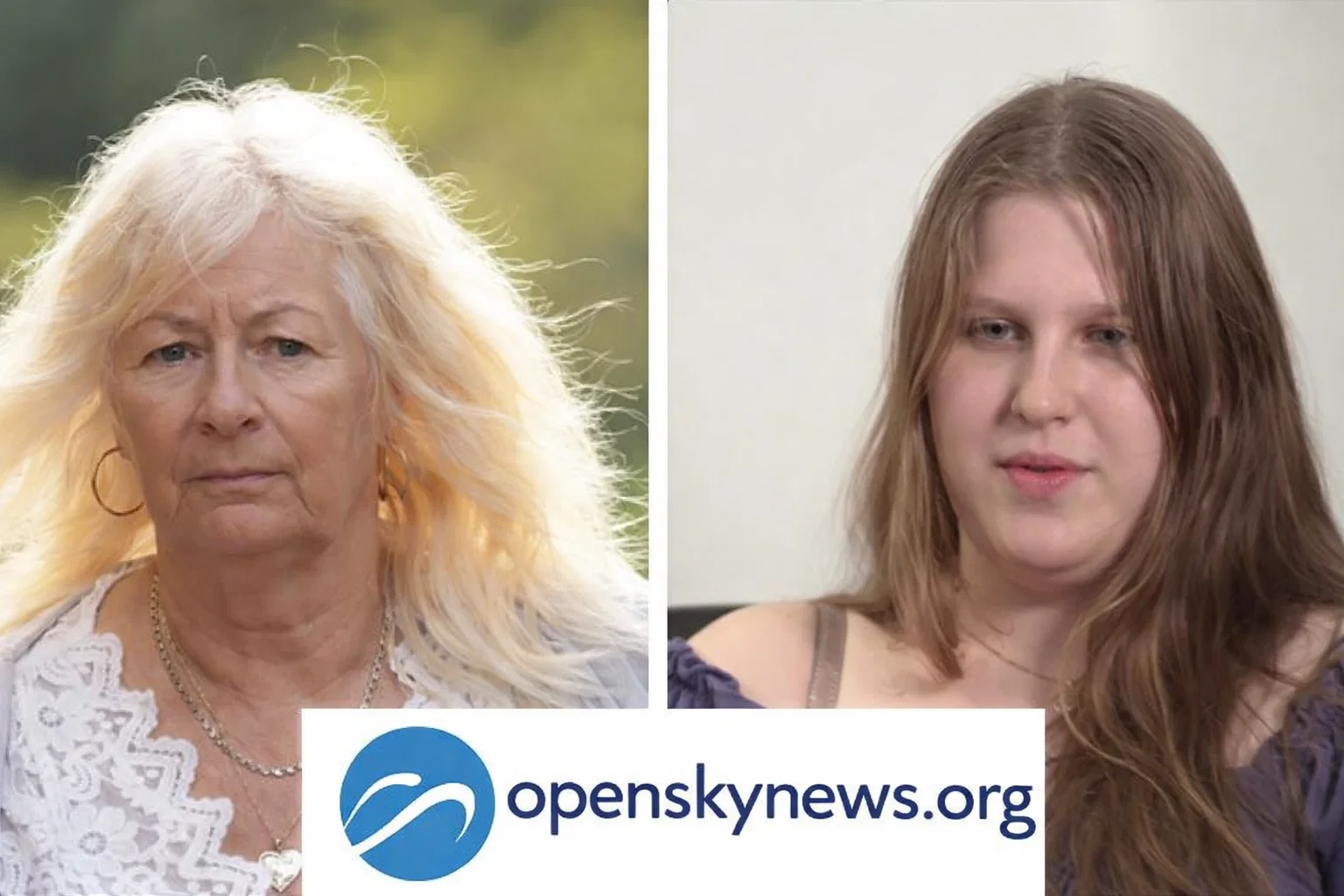
Amelie McCann is known for her connection to the Madeleine McCann disappearance and her testimony about unwanted contact involving her family. Her parents are Kate and Gerry McCann, and her twin brother is Sean McCann. She generally maintains her privacy while the circumstances of Madeleine’s disappearance remain unresolved.
Who Is Amelie McCann?
Amelie McCann is the younger sister of Madeleine McCann, who disappeared during a family holiday in Portugal in May 2007. She is the daughter of Kate and Gerry McCann and the twin sister of Sean McCann. For much of her life, Amelie has remained outside the public spotlight while her family continued to deal with Madeleine’s disappearance.
In October 2025, Amelie gave evidence at Leicester Crown Court about messages she received from Julia Wandelt, a woman who claimed to be Madeleine. She described the contact as disturbing and explained how the situation affected her family’s privacy and emotional wellbeing. Her testimony offered a rare glimpse into the personal challenges faced by the McCann family. <Link url=”https://www.itv.com/news/central/2025-10-09/madeleine-mccanns-siblings-received-creepy-and-extreme-messages-by-alleged-stalker” title=”Source: ITV News”/>
Quick Bio Table
| Attribute | Details |
|---|---|
| Full name | Amelie McCann |
| Known for | Being Madeleine McCann’s younger sister |
| Parents | Kate McCann and Gerry McCann |
| Siblings | Madeleine McCann and twin brother Sean McCann |
| Birth details | Exact date and place of birth are not widely established in reliable public sources |
| Nationality | British |
| Family home | Rothley, Leicestershire, England |
| Public appearance | Gave court evidence in October 2025 |
| Education | Has attended university, according to court reporting |
| Main public concern | Family privacy and harassment |
| Current public profile | Maintains a largely private life |
Birth Details and Age
Amelie McCann’s exact birth date has not been consistently established in reliable public reporting. She is a twin, and her brother Sean is the same age as her. News reports identified both siblings as 20-year-olds when they gave evidence in October 2025.
This means Amelie was born around 2004–2005, although her precise birthday should not be stated without a dependable source. She was still very young when Madeleine disappeared in 2007. Her early childhood therefore unfolded alongside a family tragedy that attracted international attention.
Parents: Kate and Gerry McCann
Amelie’s parents are Kate McCann and Gerry McCann. Kate is a former general practitioner, while Gerry is a cardiologist. The couple became widely known after their eldest daughter, Madeleine, disappeared from a holiday apartment in Praia da Luz, Portugal.
Since 2007, Kate and Gerry have continued to seek answers about Madeleine’s disappearance while raising their younger children. They have also faced extensive media attention and unwanted contact connected to the case. Amelie’s testimony showed that the distress was not limited to her parents and that the family’s private life remained affected many years later.
Siblings
Amelie has two siblings: her older sister Madeleine and her twin brother Sean. Madeleine was nearly four years old when she disappeared in May 2007. Sean and Amelie were toddlers at the time, so they grew up without their sister being present in their everyday lives.
The twins have generally stayed away from public attention. However, the events surrounding Madeleine’s disappearance have remained part of their family history. Their court evidence in 2025 revealed how renewed claims about Madeleine’s identity could reopen painful issues and affect the family’s sense of privacy.
Madeleine McCann’s Disappearance
Madeleine McCann disappeared on 3 May 2007 while her family was staying at a holiday resort in Praia da Luz, Portugal. She was three years old, and her disappearance led to extensive searches and an international investigation. Despite years of police work and widespread public interest, Madeleine has not been found.
The case transformed the lives of Kate and Gerry McCann and affected their younger children as they grew up. Investigators have pursued different leads over the years, but the circumstances of Madeleine’s disappearance remain unresolved. Amelie’s later testimony highlighted another consequence of the case: the continuing pressure on relatives who want to live beyond the headlines.
Why Did Amelie McCann Speak in Court?
Amelie gave evidence at Leicester Crown Court in October 2025 during proceedings involving Julia Wandelt and Karen Spragg. The women were accused of stalking members of the McCann family, allegations they denied at the time of the reported trial. The case examined repeated contact and conduct that prosecutors said caused serious alarm or distress.
Amelie described messages in which Wandelt claimed to be Madeleine and referred to supposed childhood memories. She told the court that the messages made her feel uncomfortable and that she did not believe the woman was her missing sister. Her evidence helped explain the personal impact of the alleged conduct. <Link url=”https://news.sky.com/story/madeleine-mccanns-sister-tells-court-stalker-sent-edited-images-to-prove-she-was-missing-girl-13447550” title=”Source: Sky News”/>
Messages and Claims About Madeleine’s Identity
According to court reporting, Amelie received messages from Wandelt beginning in January 2024. The messages reportedly included claims of childhood memories, requests for contact and attempts to persuade the family to consider a DNA test. Wandelt also sent photographs that Amelie said had been altered to suggest a stronger resemblance.
Amelie explained that these claims were disturbing because they appeared to use details from her childhood to establish a connection with Madeleine. She said she did not feel a DNA test was necessary because she did not believe Wandelt was her sister. The evidence illustrated how unverified identity claims can place additional emotional pressure on relatives of missing people.
How the Harassment Affected the Family
Amelie told the court that the repeated messages had an emotional impact on her and her family. She described feeling uncomfortable about the attempts to persuade her to accept the identity claim. The repeated contact also contributed to concerns about what might happen next.
She said her mother had been particularly affected by the situation. The family also became concerned about unwanted visits to their home. These experiences demonstrated how persistent contact can interfere with ordinary routines and make a family feel less secure in its own surroundings.
The Family Home and Privacy Concerns
The McCann family’s home in Rothley, Leicestershire, became part of the court evidence after an unwanted visit was discussed during the proceedings. Amelie described the visit as an invasion of privacy and explained that it caused concern about the possibility of further appearances.
She also told the court that additional security measures had been put in place, including an alarm that could alert police. Such measures illustrated how unwanted attention can affect a family’s everyday life long after the original event that brought it into the public eye. For Amelie, privacy was not simply about avoiding publicity; it was also about feeling safe at home.
Education and Personal Life
Amelie has kept most details about her education and personal life out of public discussion. Court reports indicated that she was attending university when some of the incidents involving the family took place. Beyond this limited information, detailed claims about her studies, career plans or relationships should be treated cautiously.
Her decision to maintain a low public profile is understandable given the attention surrounding her family. She has not built a public career around the disappearance, and her court testimony should not be taken as an invitation to speculate about her private affairs. Reliable biographical writing should distinguish confirmed information from assumptions.
Public Profile and Media Attention
Amelie rarely appears in the media compared with her parents. Her name receives attention primarily when developments in Madeleine’s case or legal proceedings involving the family are reported. The 2025 testimony was notable because it offered a direct account from one of Madeleine’s siblings.
Media reporting can help explain legal proceedings and the experiences of affected families. However, repeated coverage can also increase unwanted attention toward relatives who have not chosen a public-facing role. Amelie’s experience highlights the need to report on the case accurately while respecting the boundaries of family members.
The Emotional Impact of Growing Up After Madeleine’s Disappearance
Amelie and Sean were very young when Madeleine disappeared, so much of their childhood took place against the background of an unresolved family crisis. Their parents had to balance the search for answers with the responsibility of raising their younger children. The continuing public interest added another layer to that experience.
Amelie’s court evidence showed that the family could still face distressing situations many years later. Claims about Madeleine’s identity brought the original uncertainty into their personal lives again. Her account helps readers understand that the effects of a missing child case can continue long after the initial investigation begins.
Amelie McCann and Sean McCann’s Relationship
As twins, Amelie and Sean share the experience of growing up in the same family during the years following Madeleine’s disappearance. Both gave evidence connected to the 2025 proceedings, although they described their experiences separately. Their statements reflected concerns about the messages and the effect of the claims on their family.
Sean said that he blocked the account that contacted him and found the identity claims upsetting. Amelie described the messages in more detail during her testimony. Their accounts showed that each sibling dealt with the situation in a personal way while sharing the wider concern about their family’s wellbeing.
The Importance of Privacy for Missing Children’s Families
Families of missing children often receive intense public attention, particularly when a case remains unresolved for years. While legitimate reporting can keep a case in public awareness, intrusive messages, unsupported identity claims and unwanted visits can create further distress. Relatives deserve the ability to set boundaries and protect their personal lives.
Amelie’s experience demonstrates why those boundaries matter. Contact intended to persuade a family of an unverified claim can cause emotional harm, even when the sender says they are trying to help. Respecting privacy means allowing investigators to assess evidence through appropriate channels rather than placing pressure on relatives to respond personally.
What Is Known About Madeleine’s Case Today?
Madeleine McCann disappeared in Portugal in 2007, and her whereabouts remain unknown. The case has involved police investigations in multiple countries and has generated numerous leads and claims. However, public speculation should not be confused with established evidence.
Amelie’s testimony concerned alleged harassment and claims made by a woman who said she was Madeleine. It did not resolve the original disappearance. The distinction matters because reliable coverage should keep the legal proceedings separate from the unanswered questions about what happened to Madeleine.
Conclusion
Amelie McCann is more than a relative of a widely reported missing-person case. She is the daughter of Kate and Gerry McCann, the twin sister of Sean and the younger sister of Madeleine. Although she has largely protected her privacy, her October 2025 court testimony revealed how unwanted contact and claims about Madeleine’s identity affected the family.
Her account also highlighted the importance of personal boundaries, family security and responsible media coverage. Many details about Amelie’s birth and private life remain outside the public record, and those gaps should be respected rather than filled with speculation. Her story offers a clearer understanding of the people who continue to live with the consequences of Madeleine’s disappearance.
FAQs About Amelie McCann
1. Who is Amelie McCann?
Amelie McCann is the younger sister of Madeleine McCann and the daughter of Kate and Gerry McCann.
2. When was Amelie McCann born?
Her exact birth date is not consistently documented in reliable public sources. She is Sean McCann’s twin sister.
3. Who are Amelie McCann’s parents?
Her parents are Kate McCann, a former general practitioner, and Gerry McCann, a cardiologist.
4. Does Amelie McCann have siblings?
Yes. She has an older sister, Madeleine McCann, and a twin brother, Sean McCann.
5. Why did Amelie McCann testify in court?
She gave evidence in October 2025 about messages from a woman claiming to be Madeleine and the distress caused by the unwanted contact. Read the court report.
6. Where does Amelie McCann live?
The family has been associated with Rothley, Leicestershire, England. More precise details about Amelie’s current residence are private.
7. Is Madeleine McCann still missing?
Yes. Madeleine disappeared in Portugal in May 2007, and her whereabouts remain unknown.
8. Does Amelie McCann live a private life?
Yes. She generally stays out of the public spotlight, and reliable information about her personal relationships and career is limited.